Sephiria Chapter Walkthrough
Mole Base through the Chapter 6 finale — pacing, boss prep, and when to spend Sapphires on the climb.
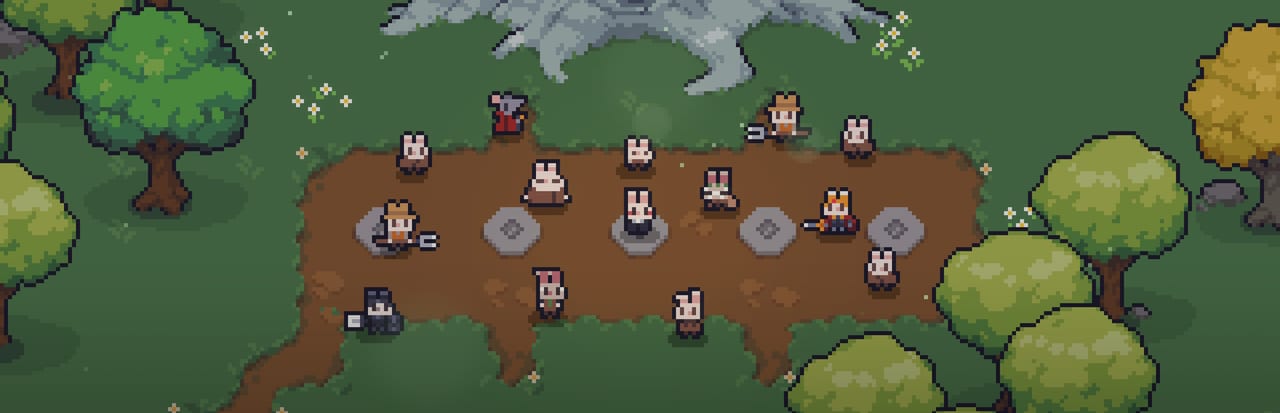
Six chapters, one skill curve
Sephiria from TEAM HORAY (Steam app 2436940) structures its campaign as six chapters of escalating combat rooms and chapter finales. Early Access began 2025-04-03; full 1.0 landed 2026-07-31 with Side Bag storage, Miracles, Potions, and a deeper artifact catalog (~300 artifacts, ~70 tablets). This walkthrough maps the climb — Mole Base → Grassland → Library → Wasteland → Root Cave → Chapter 6 finale — so you know when to push depth, when to bank a run in Bunnyville, and which boss guides to open before each door.
Runs still start from Bunnyville through the dungeon entrance or the Mysterious Door for online co-op up to four players with no host migration. Progress between runs flows through Destiny Inscription, Ken’s Talents, and grid craft from Inventory Grid. There are no redeem codes — depth comes from practice and Sapphire spending, not promotional strings.
Chapter 1 — Mole Base
Mole Base is Sephiria’s tutorial dungeon in disguise. Narrow corridors and pit hazards teach red laser telegraphs and RMB dodge habits from Controls before projectile density spikes. Chapter finales introduce Blackhand Mogdi, Ordner, and Haj remnants — pattern exams more than gear checks.
Pacing tip: clear chapter one with one weapon branch and a simple tablet line from Tablet Combinations. Do not chase Hard Mode or secret Costumes yet. Open the dedicated Chapter 1 Bosses page for Mogdi phase transitions, Ordner dynamite markers, and Haj three-eye reads.
Destiny Inscription: spend first Sapphires on survival nodes that stop random Mole Base deaths — details on Destiny Inscription and the Destiny Checklist. Side Bag is not urgent here; learn Q/E preview first.
Chapter 2 — Grassland
Grassland opens arenas where Lataka bullet barrages and Lerid shadow-sword patterns punish center stacking and greedy melee. Ranged branches often find Lataka easier; melee players must prove dodge rhythm learned in Mole Base still works under horizontal bullet streams.
Route variance means you cannot always pick the finale boss — prepare both patterns mentally. Grassland dialogue also foreshadows Askard, the cult leader you fight properly in chapter four. Read Chapter 2 Bosses before blaming inscription for grassland wipes.
Side Bag timing: if you purchased the Side Bag node on Destiny Inscription during chapter one farming, start practicing exploration kit versus boss kit swaps here — store sustain pieces during room chains, swap burst before the finale door. Full workflow on Side Bag.
Chapter 3 — Library
The Library chapter raises phase complexity — multi-segment golems, rotating laser grids, and tighter recovery windows between waves. Tablet adjacency stops being optional; dead cells on your inventory grid feel like missing half your DPS.
This is the chapter where many players first ask whether Sephiria is “too hard.” Usually the answer is grid literacy, not missing endgame loot. Pair Artifacts with Tablets intentionally and refuse rainbow pickups that never touch your Combo Effects panel.
Boss specifics live on Chapter 3 Bosses — study laser rotation timing before co-op parties obscure pixels.
Chapter 4 — Wasteland and Askard
Wasteland compresses spacing lessons from grassland into larger arenas with cult-themed enemy kits. The headline finale is Askard — a multi-phase fight that assumes you can read overlapping telegraphs while maintaining tablet proc uptime.
Open Askard for phase callouts, add control, and co-op role splits from Companion Build. Wasteland is also where inscription spending should show: if you skipped survival nodes and Side Bag, Askard exposes the gap faster than chapter two ever could.
Gauntlet Mode practice: when available in your save, use Gauntlet Mode (or repeated finale rematches) to drill Askard patterns without committing a full six-chapter run. Treat Gauntlet as homework between Sapphire farming sessions — same telegraphs, less route RNG. Combine with Controls dodge-only drills before spending Potions on learning.
Chapter 5 — Root Cave and Qliphoth
Root Cave is the penultimate biome before the campaign climax. Qliphoth — the chapter five finale — mixes safe-zone positioning, phase transitions, and cutscene-heavy segments that post-Patch 1.0.23 behave more reliably (safe zone projectiles and Phase 3 cutscene cleanup fixes). Read Qliphoth after your grid can sustain long fights.
Inscription pacing: by chapter five, you should have Side Bag, a committed weapon inscription line, and Ken talents online from Getting Started. If Qliphoth feels like a DPS wall, audit Tablet Combinations before buying more offense nodes.
Hard Mode timing: do not toggle Hard Mode for chapter five learning unless normal Qliphoth is muscle memory. Hard Mode elemental modifiers stack on top of Root Cave density — graduate after normal chapter six, not before Qliphoth clears.
Chapter 6 — Finale
The Chapter 6 finale is Sephiria’s report card: dense telegraphs, phase checks, and DPS windows that assume every prior chapter lesson landed. This is the fight linked from Hard Mode prep and Version 1.0 launch notes.
Study Chapter 6 Final Boss with a written checklist: zero dead grid cells, Side Bag burst swap, one burst Miracle, limited Potions, survival inscription nodes. Patch history (1.0.21, 1.0.22, 1.0.23) adjusted fairness — update before blaming build craft.
Campaign pacing checklist
| Chapter | Biome | Boss guide | Account goals |
|---|---|---|---|
| 1 | Mole Base | Chapter 1 Bosses | Controls, Ken quest start |
| 2 | Grassland | Chapter 2 Bosses | First tablet line, optional Side Bag |
| 3 | Library | Chapter 3 Bosses | Combo commit, Q/E discipline |
| 4 | Wasteland | Askard | Side Bag swaps, Gauntlet drills |
| 5 | Root Cave | Qliphoth | Inscription mid-game complete |
| 6 | Finale | Chapter 6 Final Boss | Hard Mode unlock prep |
When to unlock Side Bag on the climb
Recommended for most accounts: purchase Side Bag on Destiny Inscription after Ken’s Home Repair Talents unlock and before chapter four becomes your weekly goal. Chapter two is early enough if you already farm Sapphires efficiently; chapter three is the latest comfortable window before Askard gear checks.
Side Bag does not replace grid craft — it stores inactive pieces for boss doors. Pair with presets carefully; Patch 1.0.23 fixed Esc lock after preset apply and costume revert bugs after Side Bag switches.
Reset versus push by chapter
Push when your combo panel grows, Potions remain for learning, and the next boss guide’s patterns are the only unknown.
Reset when three or more dead cells lock your grid, you burned consumables on trash rooms, or co-op host connection is unstable before a finale (no host migration).
Chapter three is the usual reset inflection point — earlier resets are cheap learning; later resets cost more time but save bad Hard Mode habits.
Related pages
- Getting Started — Bunnyville loop before chapter one.
- Advanced Tips — 1.0.23 discipline after your first clear.
- Bosses hub — index of chapter finale guides.
- Review — how players rate campaign pacing at 1.0.
Sephiria’s six-chapter climb rewards players who treat each biome as a curriculum — Mole Base teaches movement, Library teaches grids, Wasteland and Root Cave test both under pressure, and chapter six asks whether you learned the whole syllabus.
Frequently Asked Questions
Quick answers to the most common questions.
How many chapters are in Sephiria 1.0?
Six chapters from Mole Base through the Chapter 6 finale. TEAM HORAY shipped the full campaign at 1.0 on 2026-07-31 after Early Access.
When should I unlock Side Bag during the campaign?
After Ken talents unlock and before chapter four Askard prep is ideal. Buy the Side Bag Destiny Inscription node, then practice boss swaps from chapter two or three onward.
Which boss guide should I read for each chapter?
Chapter 1–3 use chapter boss pages, chapter 4 is Askard, chapter 5 is Qliphoth, and chapter 6 is the final boss guide linked from this walkthrough table.
When is Hard Mode safe to start?
After normal chapter six clears with readable patterns and a stable artifact-tablet grid. Hard Mode stacks elemental modifiers — not a second playthrough of chapter two.
Does co-op change chapter pacing?
Routes and bosses match solo, but four players add visual clutter. Host disconnect ends the session — no host migration — so learn chapters solo first.