Sephiria Destiny Inscription Guide
Permanent Sapphire progression that makes every run — win or lose — push your account forward.
What Destiny Inscription is
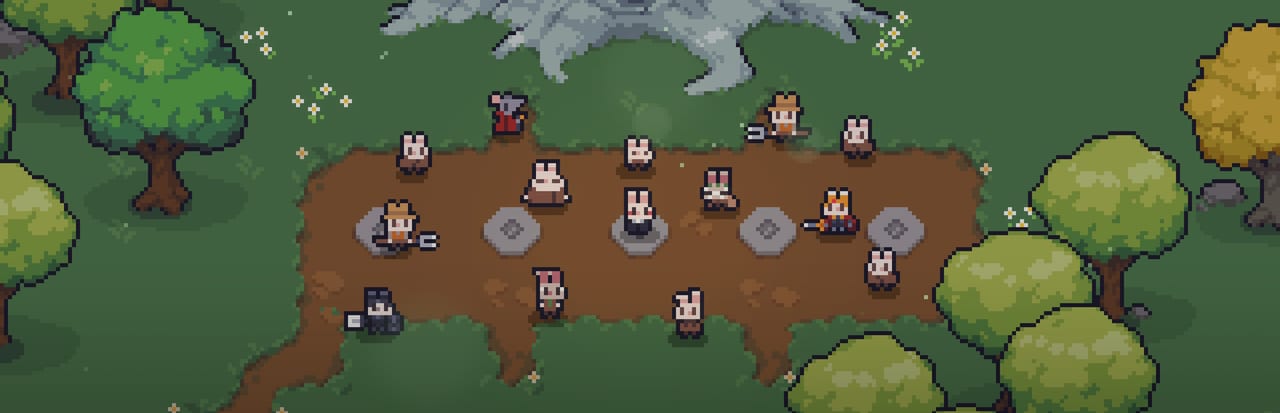
Destiny Inscription is Sephiria’s permanent progression system. Between runs in Bunnyville, you spend Sapphires — a currency earned from achievements, milestones, boss clears, and repeated attempts — to unlock nodes on a shared inscription board. Unlike artifacts that disappear when a run ends, inscription bonuses persist on your account forever.
Think of inscription as the spine connecting random roguelite drops to long-term power. A weak grid can still win if inscription compensates; a perfect grid without inscription collapses in Hard Mode. Pair inscription with talents unlocked through Ken’s Home Repair quest (Getting Started) for the full meta loop.
How you earn Sapphires
Sapphires flow from consistent play, not single lucky runs:
- Chapter and boss milestones — first-time clears and repeat farming of late chapters.
- Achievement-style goals — weapon branch mastery, collection thresholds, and 1.0 content completions noted in Version 1.0.
- Failed runs with progress — depth reached, elites killed, and side objectives still contribute over time.
There are no redeem codes for Sapphires. Ignore fake code lists; progression is legitimate grind plus skill.
Reading the inscription board
Nodes typically cluster into categories that mirror run pain points:
| Category theme | What it fixes | When to invest |
|---|---|---|
| Survivability | Health, defense, Potion efficiency | Early — stops random deaths |
| Offense | Damage, crit, weapon-specific lines | Mid — after you pick a branch from Weapon Types |
| Utility | Side Bag, grid QoL, Miracle cooldown | Mid to late — when Miracles & Potions matter |
| Chapter gates | Hard Mode prep, elite modifiers | Late — after normal chapter six |
Exact node names change with patches, but the priority philosophy stays stable: buy survival before greed, branch-specific nodes after you commit a weapon, and capstone gates only when your inventory grid craft is reliable.
Early-game spending order
For your first twenty hours after Getting Started:
- Any node that reduces early chapter wipes — health, defense, or revive-adjacent perks if available.
- One offensive node aligned with your main weapon — do not spread Sapphires across all six branches immediately.
- Ken talent synergy — if a talent amplifies inscription effects (damage after parry, etc.), unlock the matching node next.
- Utility that speeds runs — movement or pickup radius equivalents save real time across hundreds of runs.
- Hard Mode precursors — only after normal clears feel comfortable.
Use the interactive Destiny Checklist on-site to mark purchased nodes and avoid double-buy confusion when alt-tabbing between runs.
Branch commitment and respec expectations
Sephiria offers six weapon branches with 200+ upgrades inside runs, but inscription often rewards commitment. Switching from Crossbow to Staff mid-campaign splits Sapphire efficiency. Experiment in runs first; inscribe second.
If you must switch:
- Finish the current chapter set with hybrid artifacts from Artifacts.
- Pivot inscription only after a new branch feels better for three consecutive successful depths.
- Revisit Tier List for 1.0 balance — not to force meta, but to understand opportunity cost.
Inscription versus run gear
Inscription = account-wide baseline. Artifacts + tablets = run spike. Miracles and Potions = tactical buttons. None replaces another:
- Inscription cannot fix a grid with zero adjacency — see Tablet Combinations.
- Perfect artifacts cannot override missing health nodes in Hard Mode elemental fights.
- Companion Build videos show spikes; inscription explains why those spikes repeat across runs.
Co-op and inscription
Each player in online co-op brings personal inscription. Carry your own weight — do not join level-six parties with bare boards expecting carry mechanics. Host stability matters separately (no host migration).
Late-game and Hard Mode
Hard Mode modifiers assume you exhausted reasonable survival nodes and weapon lines. Before inscription shopping for elemental resist equivalents, prove you can dodge core telegraphs from Controls and the Chapter 6 Final Boss. Inscription makes Hard Mode fair; it does not delete mechanics.
Tracking and planning
Maintain a simple plan:
- Weekly goal — one inscription node + one new tablet line tested.
- Monthly goal — normal chapter six consistent clear + checklist 80% complete.
- Patch check — read Updates when TEAM HORAY adjusts Sapphire costs.
Related pages
-
Side Bag — priority inscription unlock in 1.0.
-
Talents — Home Repair and talent points beside Sapphires.
-
Destiny Checklist Tool — interactive tracker.
-
Getting Started — Ken talents and first Sapphires.
-
Inventory Grid — pair permanent stats with placement.
-
Version 1.0 — economy changes at launch.
Destiny Inscription turns Sephiria from “another dead run” into compounding account growth. Spend Sapphires deliberately, commit to a branch, and let every Bunnyville return feel like a permanent step forward.
Frequently Asked Questions
Quick answers to the most common questions.
What are Sapphires used for in Sephiria?
Sapphires purchase permanent nodes on the Destiny Inscription board in Bunnyville. They persist across all future runs.
What should I unlock first on Destiny Inscription?
Prioritize survivability nodes that stop early chapter deaths, then invest in perks matching your main weapon branch after you commit from Weapon Types.
Do I lose Destiny Inscription progress when I die?
No. Inscription is permanent account progression. Only run-specific artifacts and consumables reset.
How does Destiny Inscription relate to Ken's talents?
Talents from Ken's Home Repair quest are separate passives that synergize with inscription. Unlock both for the strongest baseline.
Is there a Destiny Inscription tracker?
Yes. Use the Destiny Checklist tool on this wiki to mark nodes and plan Sapphire spending without guessing.